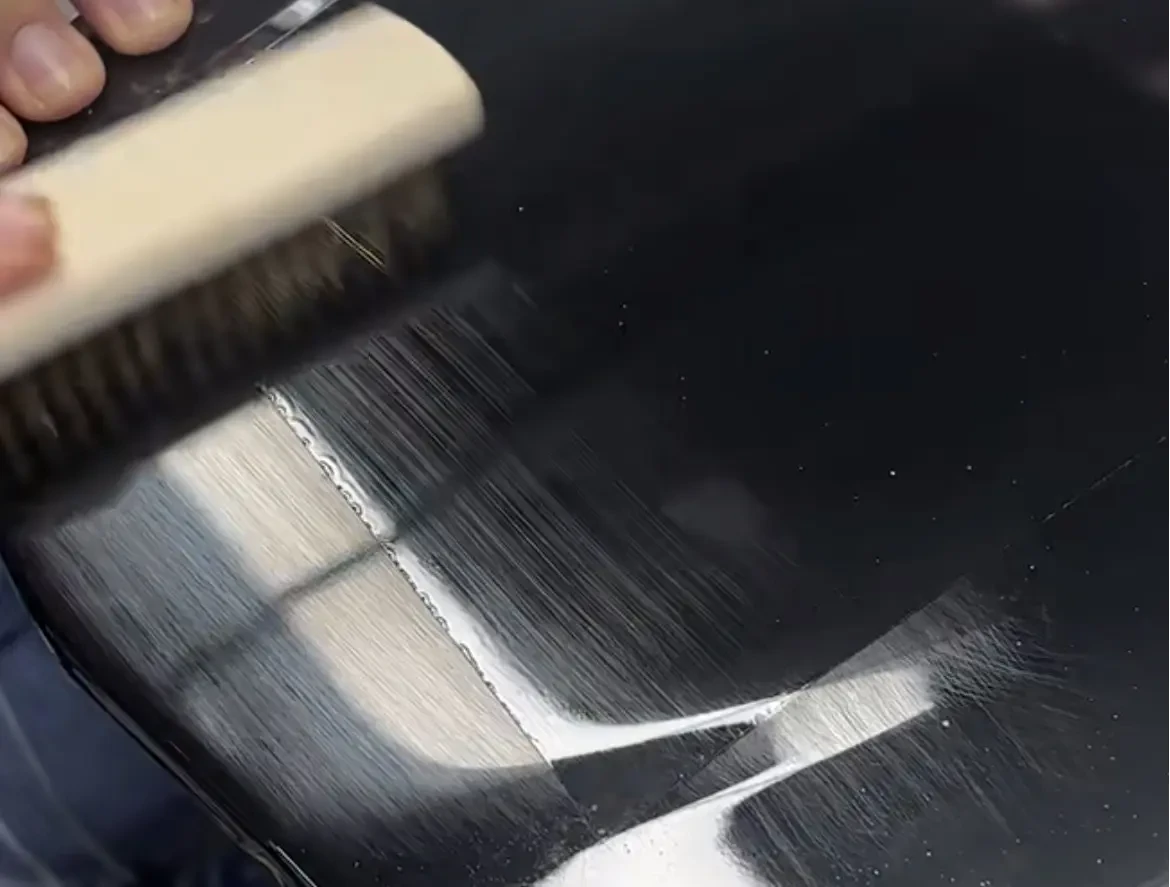

Top coat is the part of the film a customer touches. It decides whether water beads or spreads, how a mark is cleaned and, in the workshop, how the film responds to squeegee and heat.
Hydrophobic coats
Water beads and rolls off, taking some dust with it. The surface feels slick, which helps in dusty markets and reduces water spotting after rain. Cleaning with a mild soap solution is usually enough, and customers often notice the effect immediately after installation.
Hydrophilic coats
Water spreads into a thin film rather than beading. Some installers find this easier to work with because residual moisture disperses quickly, and some customers prefer the more neutral look with less visible beading. Maintenance requirements are similar, though the timing of cleaning can differ.

Choosing between them
- Match the coat to your climate: dust and heat favour a slick, hydrophobic surface.
- Check which coat each series carries before promising behaviour to a customer.
- Keep cleaning instructions general enough to cover both.
- Test a sample in your own workshop rather than relying on a description.
We can confirm the top coat type for every series and supply samples for workshop testing.