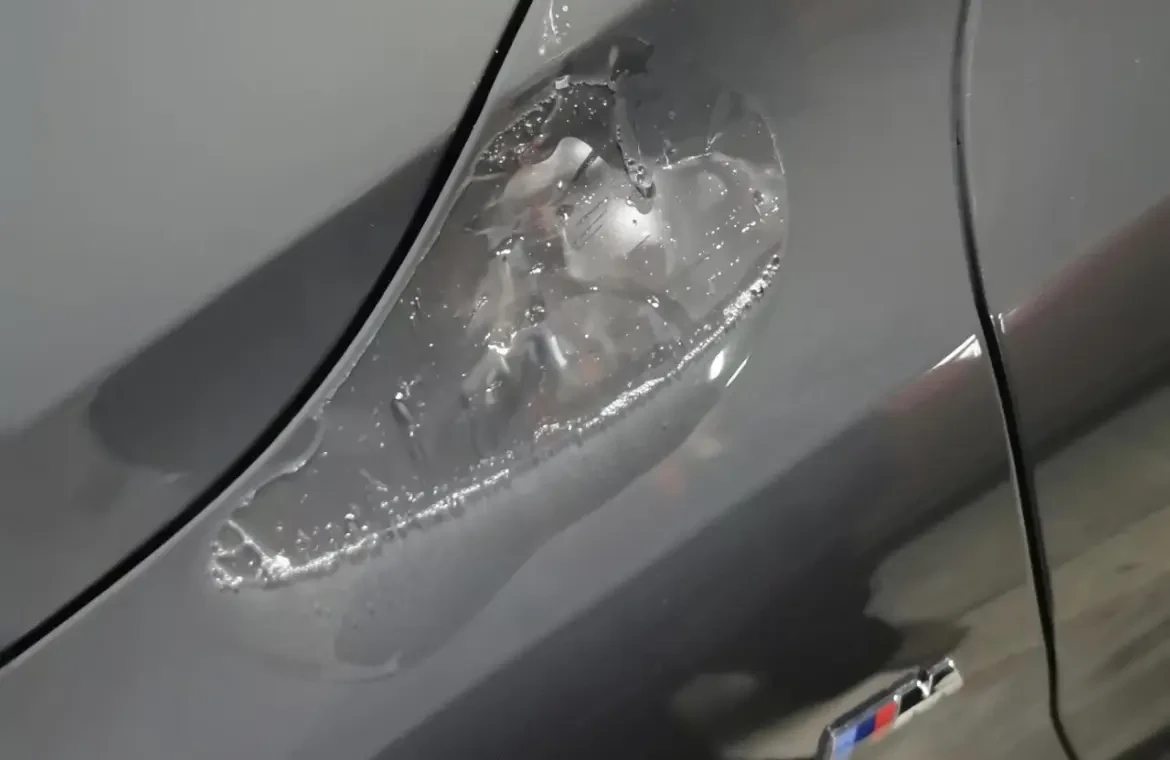
The Middle East continues to be one of the most promising regions for automotive film distributors. Extreme ambient temperatures, intense UV radiation and frequent sandstorms create a natural demand for both window tinting and paint protection film. As new-car sales grow across the Gulf Cooperation Council countries, the aftermarket for protective films is expanding alongside it.
Saudi Arabia and the United Arab Emirates remain the largest markets by volume. Government-backed economic diversification programs have boosted vehicle ownership rates, and a growing middle class is increasingly willing to invest in vehicle protection and comfort. Luxury and SUV segments are particularly strong, which favors higher-margin PPF products over basic window films. Distributors who can offer a tiered product range — from entry-level window tint to premium self-healing PPF — are well positioned to capture a broad customer base.
Climate conditions in the region place specific demands on film products. Window films need high TSER values to cope with summer temperatures that regularly exceed 45 degrees Celsius. PPF must resist yellowing under prolonged UV exposure and withstand abrasion from wind-blown sand. Products that have been tested and validated under Middle Eastern conditions carry a significant advantage in distributor and workshop conversations.
Regulatory frameworks around window tint darkness vary by country and emirate, and distributors should stay current with local traffic laws to advise their workshop partners correctly. Some markets have recently relaxed tint limits, opening up new product opportunities. Building relationships with local testing and certification bodies can also help distributors differentiate their offerings in a competitive landscape.